

Self Builders – Build With ICF
Congratulations on deciding to build your new home! Now it’s time to choose the best materials to realise your dream self build project. The build method you choose for your home will have implications on almost every level. We look at why you should build with ICF and how choosing this simple yet reliable construction system can help to deliver a straightforward project.

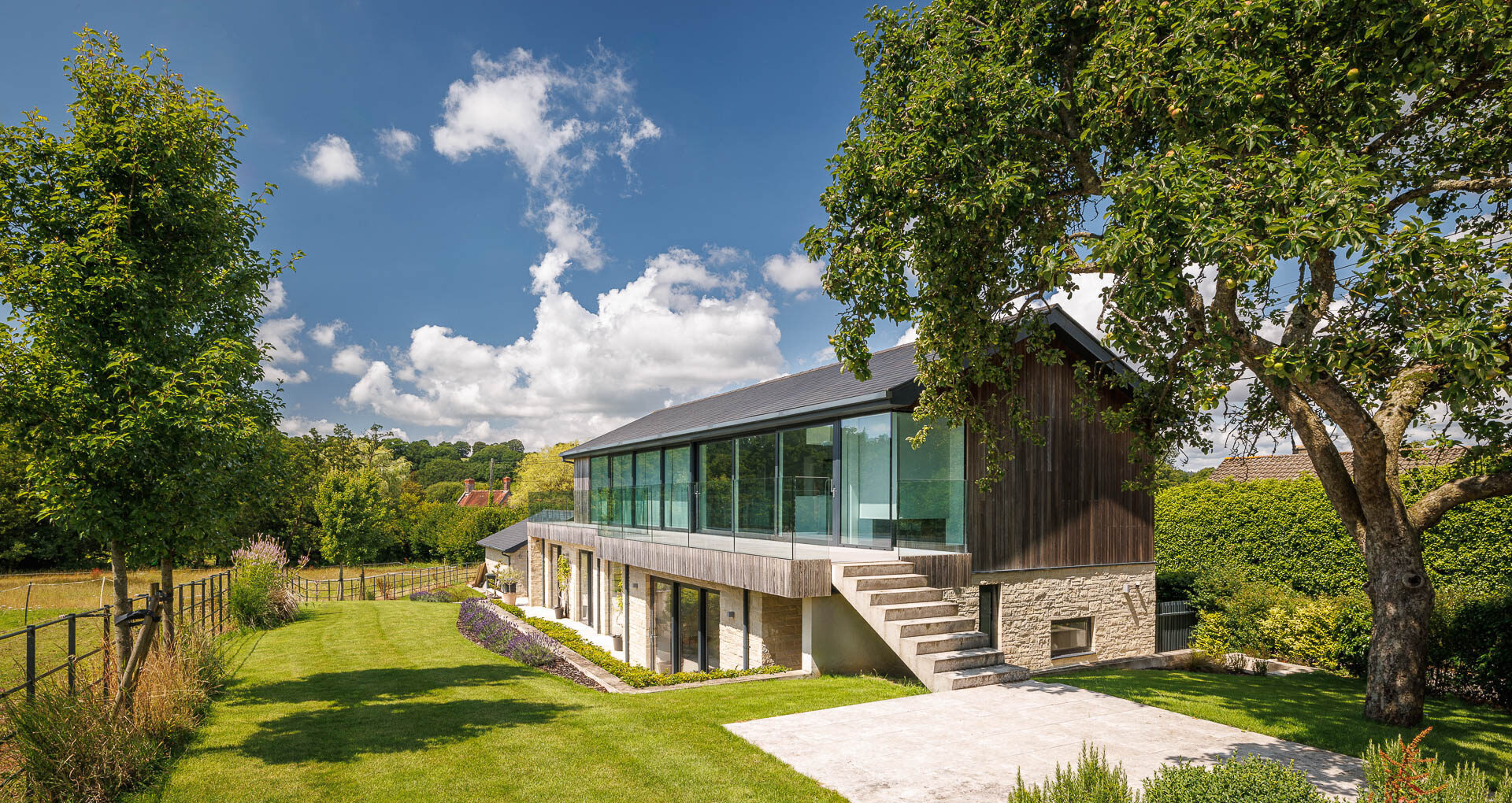


Designing your Home
Self-builders are renowned for bringing individuality and vision to their dream property, but some materials can put limits on the imagination.
Insulating concrete formwork (ICF) is a Modern Method of Construction (MMC) structural system that can provide significant benefits for your self-build project. ICF construction gives self builders many creative options:
- The system is simple and very flexible for almost any design.
- It works for traditional farmhouses and modern homes with special shapes or curved walls.
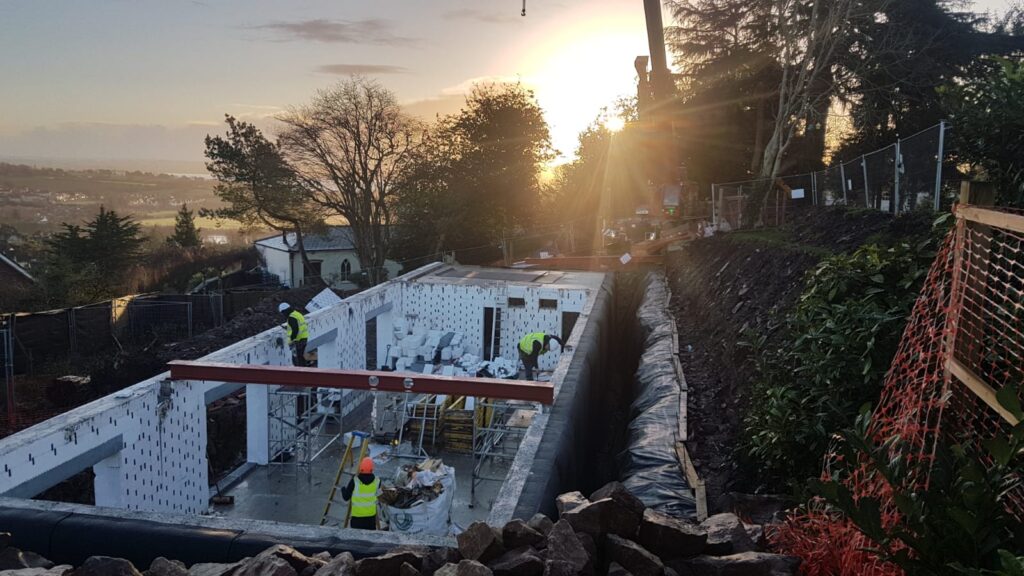
- The strength of the system makes it suitable for the entire build including retaining, above and below grade walls, basements and even swimming pools.
What is ICF Construction?
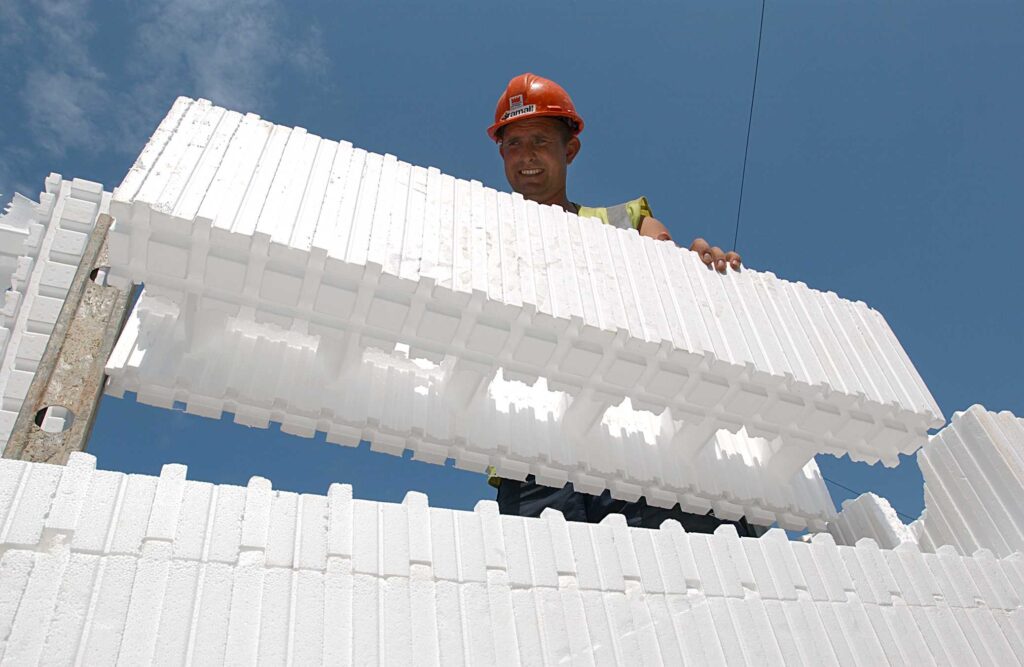
Insulated Concrete Forms (ICF) are an on-site system of large blocks or formwork made of an insulating material. The building process is incredibly simple with the ICF blocks stacking and connecting to create the external wall without the need for intermediate bedding materials such as mortar. Once in place reinforced concrete is poured into the central cavity to create a strong and highly energy efficient home.
Once the concrete has set, the Insulated Concrete Formwork blocks remain in place to provide a continuous insulation that wraps both the inside and external walls of the building envelope.
In the UK the most commonly available ICF systems are expanded polystyrene foam (either EPS panels or moulded EPS systems) or mineralised recycled wood chips mixed with cement known as woodcrete units.
Benefits of ICF
ICF systems offer numerous benefits to selfi-builders including:
How Much Does it Cost to Construct an ICF Building?
Material costs for ICF are usually higher than for brick and block or timber frame systems. However, builders save money during construction by avoiding costly delays. Standard ICF blocks, which can be used in most designs, are pre-manufactured off-site and typically delivered to site within three weeks ready for assembly.
ICF blocks are lightweight and there is a reduced need for expensive heavy plant equipment. The simple and fast building method of ICF construction needs fewer skilled contractors on site. Builders can make a watertight property faster than with traditional methods. This enables follow-on trades to enter and start putting in utilities and finishes in place much earlier. The build programme can also continue in almost all weather, even through the wet winter months.
How long will it take to build an ICF home?
Building with ICF means that large wall areas can be constructed very quickly and easily and typically a standard ground floor layout of home can be constructed in only a couple of days.
Hiring an experienced ICF installer helps ensure a fast and successful project. But many self builders choose to do the work themselves to save money because the system is simple. We recommend buying your building system from one of our ICFA members who will offer training and support throughout your project.
ICF Mortgage, Insurance and Planning Acceptance
Insulating Concrete Form systems supplied by ICFA members are recognised by ICF systems supplied by are recognised by The Valuation Panel of the Council of Mortgage Lenders for mortgage purposes as a standard form of construction.
Be aware that Modern Methods of Construction (MMC) such as Insulated Concrete Forms are considered as non-standard build systems with insurance companies. With the growth in MMC there are plenty of options available, but you will need to approach insurance companies in advance and understand their requirements to detailing.
The ICFA has worked closely with leading mortgage and insurance lenders. Head to our ICF and Self Build Mortgages page for more information on getting a mortgage on a self-build project.
Where to Buy ICF?
Not all ICF products are the same and the size, design and material of the product can vary. The ICFA recommend talking to ICF suppliers as early as possible to identify the best product for your project and to discuss areas that may require special consideration. Also see our guide on How to Build with Insulated Concrete Forms to find out more about building with this Modern Method of Construction.
Get Advice from the Insulating Concrete Formwork Association
If you have a query or would like further information, please contact the ICFA here.
Frequently asked questions
Everything self-builders need to know about ICF construction.