

ICF and the Developer
Modern Methods of Construction, such as Insulated Concrete Formwork (ICF) can bring many benefits to contractors and developers during the build process. For example, ICF construction can speed up build times, reduce storage requirements, minimise the use of heavy plant equipment and lower waste levels. Furthermore, with its high levels of energy efficiency, thermal bridging and durability, the finished property is an attractive option for the owners once they move in.
An insulated solid wall construction method like ICF is suitable for all types of commercial build projects, including housing developments, apartment blocks, care homes, schools, medical facilities and leisure complexes.




What Is ICF Construction?
ICF construction is an in-situ build method that combines the insulating properties of the ICF forms or blocks with the inherent strength of concrete.
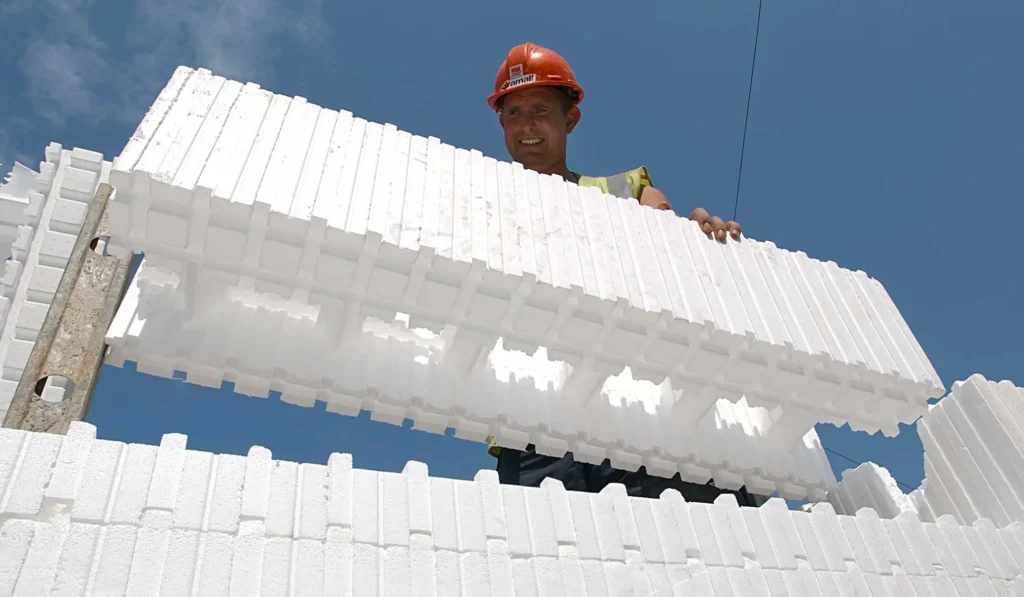
ICF construction can be quickly erected on site to create the building envelope. The blocks stack without the need for intermediate bedding materials such as mortar. After that, concrete is poured into a hollow cavity in the formwork to create a monolithic core. Once the concrete has cured the block remains in place. As a result, this produces a high-strength structure that offers exceptional thermal performance, airtightness and energy efficient performance.
It is worth nothing that there are different ICF systems available and you should research the options. In the UK, Expanded Polystyrene (EPS) or Woodcrete (recycled wood chips mixed with cement) are the main types.
Advantages of ICF Construction
ICF construction provides the following benefits for developers:
Building With ICF – Below Grade Walls
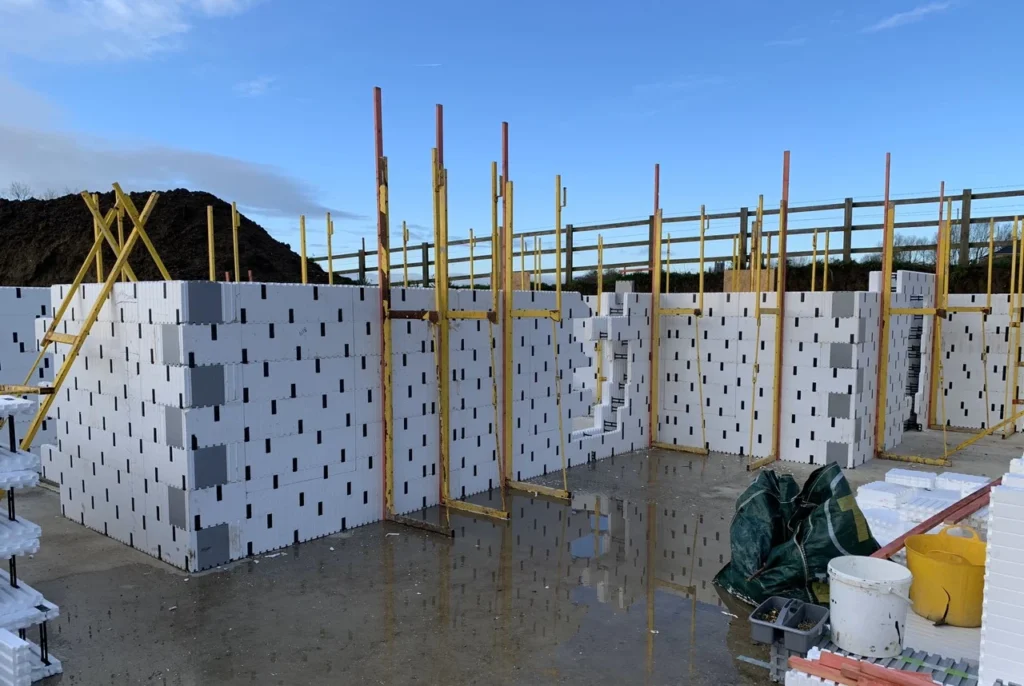
The combined strength of the concrete core with the insulating properties of the formwork presents developers with a whole-build solution. Specifically, the ICF system is suitable for use on retaining, above and below grade walls.
In many cases, ICF systems are regularly used in the construction of below grade walls. It is one of only a few walling systems approved by The Basement Information Centre for domestic basements. However, as with any structure below ground level, and to conform to basement waterproofing regulations, it is critical that contractors ensure the joints are well protected and you use the correct specification of the concrete. Contract one your ICFA supplier who has the technical knowledge to advise on correct specification.
The structural integrity of the concrete core in ICF contributes to a weather proof and strong build method. As a result, it can provide protection from heavy storms and high winds including hurricanes and tornadoes. It is ideal for flood risk regions and designs can meet relevant codes for earthquake zones.
Sustainable Construction Materials
Recommendations from the Committee for Climate Change aims to achieve a 96% reduction in greenhouse gases by 2050. Estimates show that 90% of a traditional building’s environmental impact occurs not during construction but during its lifetime. A key target area for the recommendations is to increase energy efficiency within the built environment.
This is the area where ICF really comes into its own. ICF structures greatly reduce air infiltration, optimise energy performance and can provide U-values as low 0.11. Moreover, it can meet and exceed Passivhaus / Code for Sustainable Homes and offers excellent thermal bridging values.
When combined with with other green technologies such as ground source heat pumps, wind turbines, and solar panels, an ICF home can be completely carbon neutral.
Building with ICF – does it cost more?
Insulated Concrete Formwork systems are a competitive alternative to traditional brick and block and timber frame construction.
Cost savings are achievable in the following areas:
- Materials costs are usually higher than traditional systems but significant savings can be made through labour costs. ICF systems only require semi-skilled labour and not highly paid scarce skills such as brick layers. Although some training is necessary, all ICF suppliers offer on-site training. Fortunately, this can be learned quickly, making ICF systems an ideal training ground for apprentices. A site-based NVQ Level 2 is now available for operatives.
- Delivery timescales you can construct most designs using standard forms with these blocks available for delivery generally within three weeks. ICF blocks are manufactured offsite and transported to site for assembly. As a result, the inefficiencies and delays that can affect onsite construction are minimised.
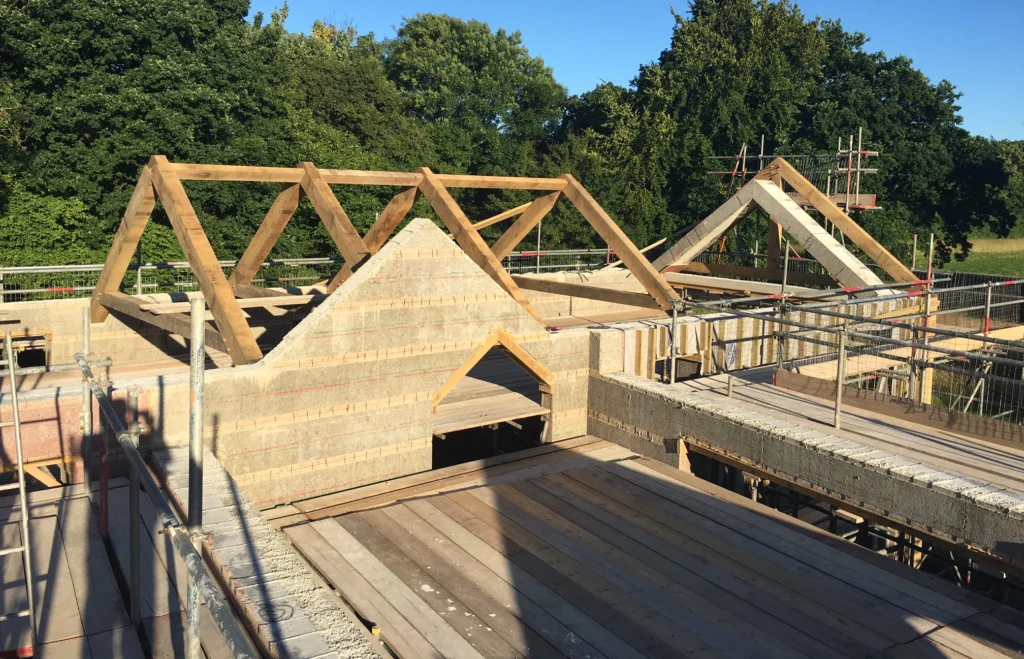
- Build programme timescales – Build can be significantly reduced due to the speed of build when constructing with ICF. Building with ICF allows for a watertight shell within days and follow-on trades can enter the building and start putting utilities and finishes into place much quicker than traditional building methods.
Discover ICF
Each ICF system varies slightly, and therefore, we recommend developers and contractors discuss the build with their ICF supplier. Please contact one of our UK ICF suppliers. All ICFA members offer training courses and won’t supply their products to site unless the self-builder or their chosen contractor has attended their course.
If you have a query or would like further information, please contact the ICFA here.