
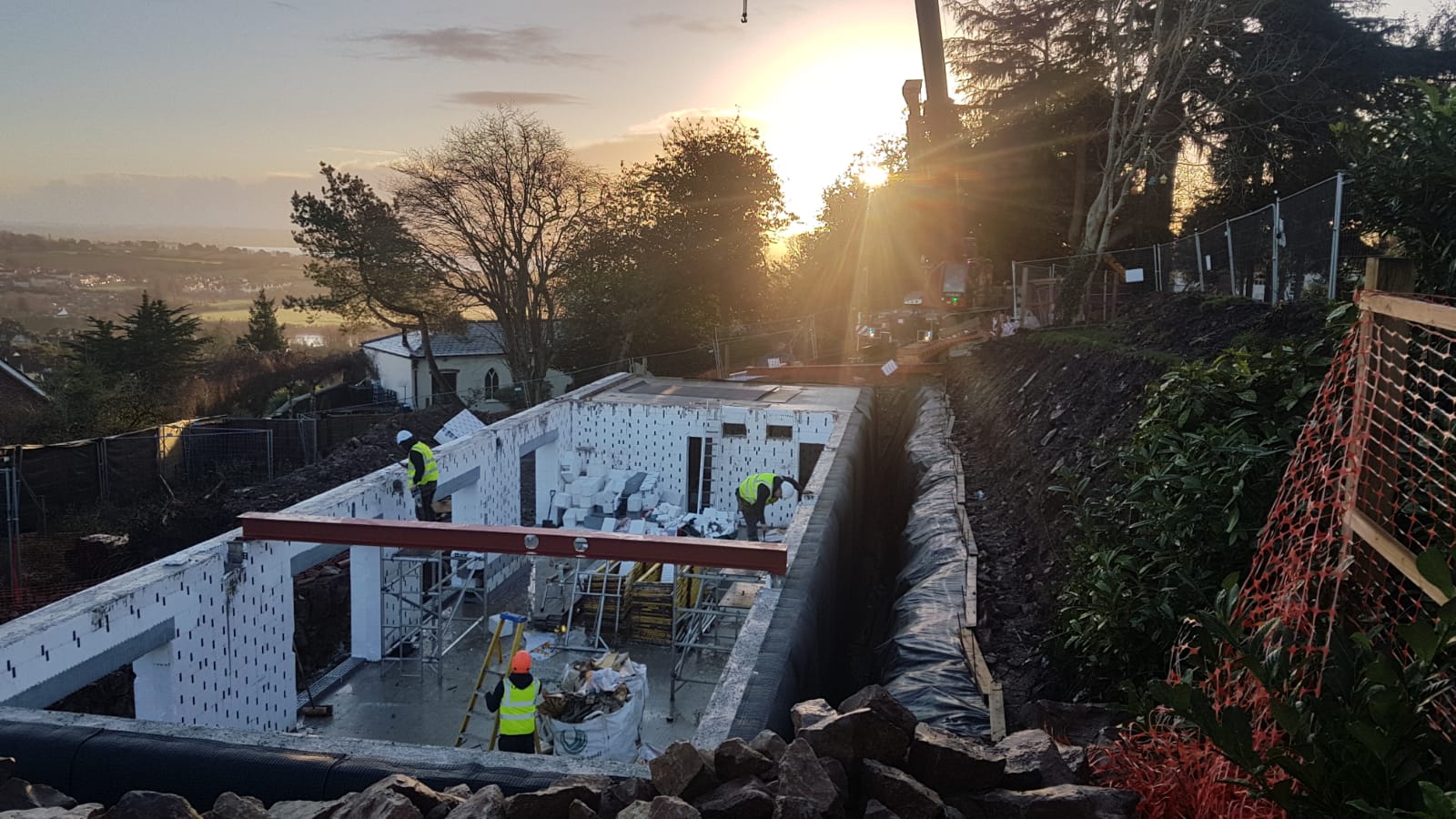
Most developers on a project have to walk the fine line between quality and construction materials cost. On the one hand, a development built to the highest standards in quality is far less likely to develop issues once the homeowner has moved in. Perfect, when you consider that lengthy snagging lists can quickly eat into the profitability of a new development.
However, products that deliver on quality usually come with a high price tag upfront and developers need to balance the two. That’s before you even consider the anticipated overheads and, even worse, unforeseen costs that naturally come with any new project. Paying labourers to complete the work, transportation and plant equipment costs and unforeseen site delays can quickly add up. Understanding ICF construction cost against these hidden expenses is key to seeing where the real savings lie.
We explore how developers and contractors, by adopting alternative build methods, can save money in construction.
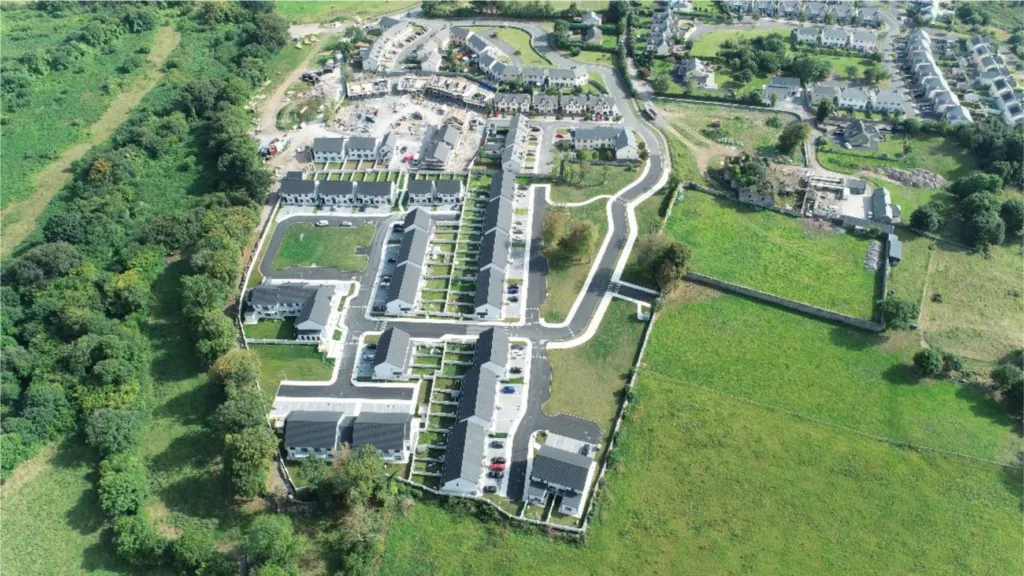
Can MMC save money in construction?
Modern Methods of Construction (MMC) are a solution for developers when looking to reduce costs. Not only do they deliver on quality, but they also meet tighter building regulations requirements and save the homeowner money on energy use through it’s superior thermal performance and energy efficiency. Modular builds quickly became the frontrunners in this arena but, with several high-profile failures over the last year, it is safe to say that MMC has not lived up to expectations.
There have been barriers to MMCs entry in the UK and the problem is not always financial. The answer to encouraging developers and big housebuilders may instead lie in taking an alternative approach. A step that instead encourages the adoption of MMC methods that mimic techniques which contractors are already familiar with. A system like ICF.
What is Insulated Concrete Formwork (ICF)?
ICF is an insulated solid wall construction method. Although classed as a ‘Modern’ construction method, ICF has in reality been used in construction projects for over 60 years. The build method uses large blocks made from an insulating material. In the UK, the most commonly found ICF blocks are either made from EPS or Woodcrete.
- EPS forms are lighter than woodcrete blocks and are available either pre-moulded and ready for immediate construction or flat panels which, once on site, connect with ties to form the block.
- Woodcrete blocks are formed from cement-bonded wood fibre material which is moulded to create the block.
One of the big advantages of Insulated Concrete Forms, is the fact it is based on standard build methods such as traditional brick, but with the advantages of modern methods of construction.
When preparing the ICF foundation, groundwork considerations are generally the same as standard build methods with both slab and step conventional concrete foundations are easily accommodated. To construct the ICF wall, the blocks are stacked together using a method very similar to bricklaying. ICF walls are usually assembled in stages, typically to first-floor height in the initial phase before concrete is poured into a hollow in the centre of the block. Once the concrete has cured, contractors can continue with the installation until full building height is achieved. The blocks remain in place to provide facing layers of continuous insulation for the building.
Cost of ICF Blocks

Material cost estimates for ICF blocks on a project are difficult to accurately state and will vary depending on the supplier, the size of the project and whether you use standard or bespoke blocks.
Manufacturers produce different grades of ICF and typically these increase in price depending on the amount of insulation used in the block.
Fortunately, most building designs can be achieved using standard Insulated Concrete Form blocks – even curved walls. Manufacturers have a wide variety of standard forms which can include straight, curved or pre-formed corners. You can also cut the forms using standard construction tools to suit the design. ICF will also integrate with a wide spectrum of standard construction details such as floors, roof, window and door options.
The costs of concrete and steel reinforcement also need to be considered when pricing a project. Rebar is standard in a lot of ICF systems but if you require additional strength for areas such as basements or cantilever structures this will need to increase. It is also worth noting that the reinforced concrete used in an ICF build is not visible and there is greater opportunity to incorporate other waste materials as fillers and aggregates.
Overall, the upfront material cost of Insulating Concrete Forms can be slightly more expensive compared to traditional systems. However, factor in cost savings during the construction process and it can quickly become a cheaper option.
ICF Construction Cost
Two of the big advantages for contractors and developers when using ICF are the speed of construction and ease of building with the system compared to traditional methods such as timber frame buildings.
During construction, the blocks lock in place via a raised surface which removes the need for an intermediate bedding such as mortar. It is the simplicity of the construction method that significantly speeds up the process, reduces construction timescales and saves cost. For example, it is possible to construct the shell of a simple ground-floor structural wall in only a few days.
ICF construction can also reduce labour cost. Training on ICF systems is much easier than traditional build methods and it is possible to reach a competent standard much quicker. Without the need for mortar, it provides the perfect training ground for apprentices new to construction and can limit the use of the highly-paid skills of a bricklayer. Developers can also opt to reduce the number of contractors needed on-site while still achieving quick build times.
When building with ICF, the system provides multiple construction steps. After the concrete has set, the blocks remain in place to instantly provide the interior and exterior framework with increased levels of continuous insulation. As well as the ICF wall structure and thermal insulation, the block also provides an air and vapour barrier already built in.

What are the advantages of building with ICF
For contractors and developers, there are additional advantages that can make even the smallest of cost savings. The blocks are manufactured offsite and delivered to the site ready for immediate construction. The manufacture of ICF is also flexible, less capital-intensive and has shorter lead times when compared to other MMC systems.
The lightweight and stackable nature of the ICF blocks makes them easier to transport with fewer deliveries and a reduced requirement for lorries to get them to the site. During construction, the blocks are easily moved around the site by hand and there is a reduced need for heavy plant and equipment.
ICF systems are incredibly flexible to construct with some considerations such as whether to recess doors and windows and by how much, are easy to achieve using standard detailing practices. One build system can be used for the entire project. Inserting rebar into the blocks before the concrete pour removes the need for complicated structural solutions which means some conditions such as corner windows and cantilevered openings are easier to construct.
Timing is key with an ICF block. Unforeseen problems on a site can cause delays but with ICF you can easily adapt to the conditions by making changes to the blocks right up to the point you pour the concrete. Weather can have a big impact on construction timescales, but with ICF construction can continue throughout winter weather. This includes even low temperatures with ground frost, enabling contractors to move to the next stage of the build in a much shorter period.
Interested in building with ICF?

As with any building material, it’s important to take the correct approach in the design and build of an ICF property. Involve an ICF specialist, such as our ICFA members, involved early in the process they can bring even further benefits to your project. They can use their extensive knowledge and technical resources to support your project and flag up any areas that may require special considerations. To ensure reliability in construction, ICFA members will only supply their products once contractors have completed their training course.
If you want to start working with a build method that could reduce construction costs, get in touch. Please also see our updates on our LinkedIn page.